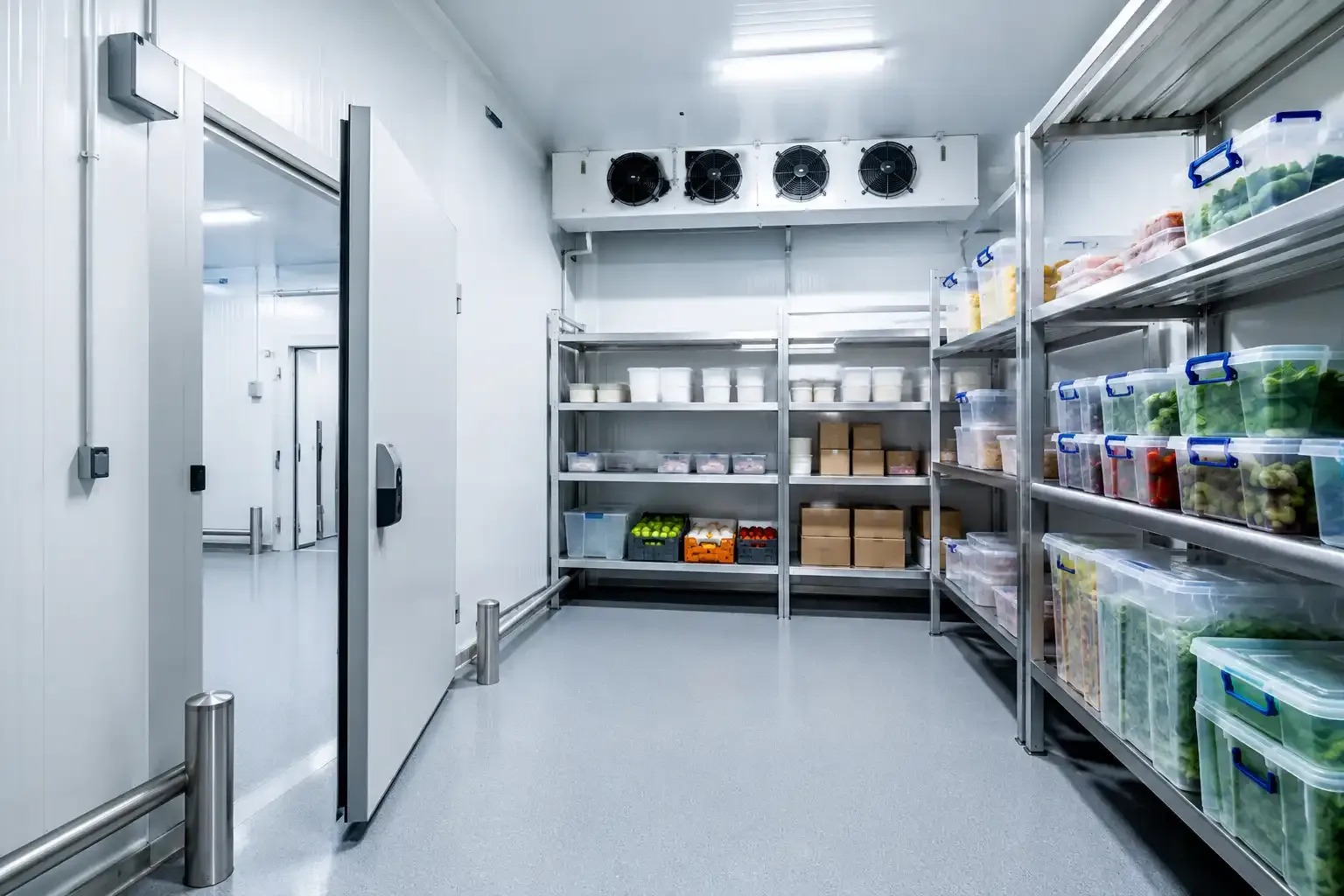
A well-maintained cold room is essential for businesses that rely on consistent temperature control for food, beverages and other temperature-sensitive products. In Singapore, where the climate is warm and humid throughout the year, a cold room has to work continuously to maintain the required temperature.
Regular maintenance helps keep the system running efficiently, reduces the risk of unexpected breakdowns and can extend the service life of the refrigeration equipment.
Whether you operate a food processing facility, central kitchen, restaurant, cold storage warehouse or distribution centre, here are seven areas to pay attention to when maintaining a cold room.
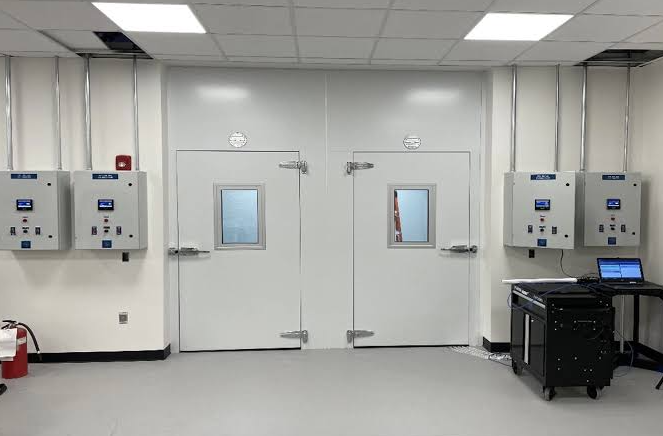
- Check the Cold Room Door and Door Seals
The cold room door is opened and closed frequently during daily operations. Over time, the door gasket or seal can become worn, damaged or loose.
A poor seal allows warm air to enter the cold room while cold air escapes. This makes the refrigeration system work harder to maintain the required temperature and can increase energy consumption.
Regular checks should be carried out to ensure that:
- The door closes properly
- The door gasket is intact and seals evenly
- There are no visible gaps around the door
- Hinges, handles and other door components are functioning properly
Replacing a damaged door seal may be a relatively simple repair, but it can make a noticeable difference to cold room performance.
- Keep the Refrigeration System Clean
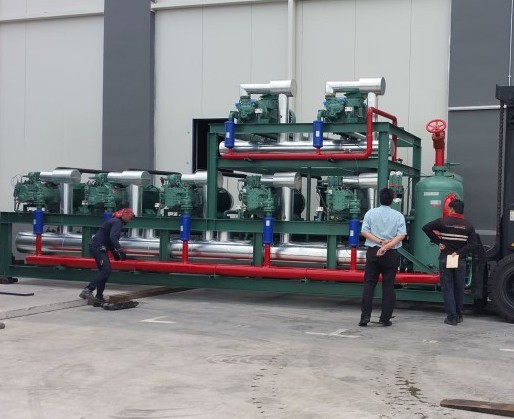
Dust, dirt and debris can accumulate on refrigeration components over time. When components such as condenser coils become dirty, heat cannot be released as effectively.
This can affect cooling performance and cause the refrigeration system to run for longer periods.
Regular cleaning and inspection of the refrigeration system can help maintain efficient heat transfer and reduce unnecessary strain on the equipment.
For commercial cold rooms, maintenance should be carried out as part of a planned schedule rather than waiting until cooling performance starts to decline.
- Monitor Cold Room Temperature Regularly
Temperature should be monitored consistently to make sure the cold room is operating within the required range.
A temperature that is consistently higher than the intended setting may indicate an issue with the refrigeration system, door seal, insulation or airflow.
It is also useful to pay attention to changes in temperature rather than looking only at a single reading. Frequent fluctuations or a gradual increase in temperature could be an early indication that the system requires inspection.
For businesses handling perishable products, maintaining stable conditions is particularly important for product quality and storage requirements.
- Look Out for Excessive Frost or Ice Build-Up
Some frost is normal in refrigeration systems, but excessive ice build-up should not be ignored.
Heavy frost around the evaporator or other parts of the cold room can restrict airflow and affect the system’s ability to maintain the required temperature. It may also indicate an issue with defrosting, air infiltration or other refrigeration components.
If frost continues to build up despite normal operation, it is better to have the system checked rather than repeatedly removing the ice without addressing the underlying cause.
- Inspect Cold Room Panels and Insulation
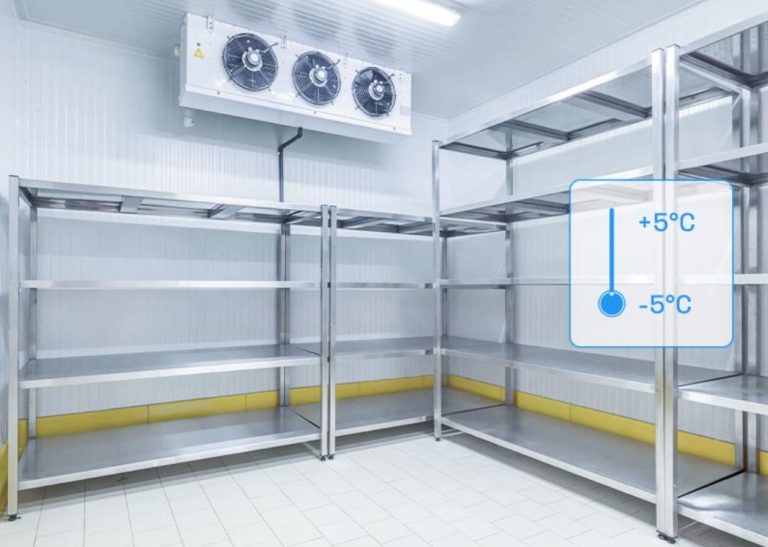
The insulation used in a cold room helps prevent heat from entering the storage area. Damaged panels, gaps or deterioration around joints can reduce the effectiveness of the insulation.
This is especially important in Singapore, where the temperature difference between the cold room and the surrounding environment can be significant.
During routine inspections, look for:
- Damaged or dented cold room panels
- Gaps around panel joints
- Signs of moisture or condensation
- Damaged insulation around doors and openings
Good insulation helps the refrigeration system maintain the required temperature without unnecessary cooling demand.
- Pay Attention to Changes in Refrigeration Performance
Some problems are easier to identify through changes in normal operation.
For example, you may notice that:
- The cold room takes longer than usual to reach temperature
- The refrigeration system runs for longer periods
- The system switches on and off more frequently
- There are unusual sounds during operation
- The cold room temperature is no longer as stable as before
These signs do not necessarily point to one specific problem. They may be related to the refrigeration system, controls, airflow, insulation or other components.
Identifying changes early allows the issue to be investigated before it develops into a more serious breakdown.
- Schedule Preventive Cold Room Maintenance
One of the best ways to keep a cold room operating reliably is to carry out preventive maintenance.
Instead of waiting for the system to stop working, regular servicing allows potential issues to be identified earlier. Maintenance can include inspection of the refrigeration system, temperature controls, electrical components, evaporator and condenser, door seals and other key parts of the installation.
The appropriate maintenance frequency depends on factors such as the type of cold room, operating hours, usage and the environment in which it operates.
For businesses that depend on continuous refrigeration, preventive maintenance can help reduce unexpected downtime and keep the system performing consistently.
Why Cold Room Maintenance Matters in Singapore
Cold rooms in Singapore operate in a warm and humid environment, often for long hours every day. This places continuous demand on the refrigeration system.
Poor maintenance can eventually lead to higher energy consumption, inconsistent temperatures and unexpected equipment problems. More importantly, a refrigeration failure can affect temperature-sensitive products and disrupt normal business operations.
Regular inspection and maintenance therefore form an important part of managing a cold room over its operating life.
When Should You Get Your Cold Room Checked?
If a cold room is showing signs of reduced cooling performance, it is advisable to have the system inspected rather than continuing to operate it until a major failure occurs.
Professional inspection may be appropriate when you notice:
- Temperature fluctuations
- Increasing frost or ice build-up
- Longer cooling times
- Unusual noises
- Frequent refrigeration system cycling
- Damaged door seals or insulation
- Increasing energy consumption
Addressing these issues early can help prevent more significant problems and keep the cold room operating reliably.
Maintaining a Reliable Cold Room System
Cold room maintenance is not simply about keeping the refrigeration equipment running. The performance of the entire system depends on several factors, including refrigeration equipment, insulation, doors, temperature controls and the way the cold room is used.
Regular checks combined with preventive maintenance can help businesses maintain stable temperatures, improve system efficiency and reduce the likelihood of unexpected downtime.
For businesses looking for a cold room in Singapore, proper maintenance should be considered from the beginning of the project. A well-designed cold room, combined with appropriate refrigeration and regular maintenance, provides a more reliable solution for long-term operation.
Looking for Cold Room Solutions in Singapore?
Ventco Engineering provides cold room design and build solutions in Singapore for commercial and industrial applications. From cold rooms and freezer rooms to complete refrigeration systems, each project can be designed according to the operational and temperature requirements of the facility.
Contact Ventco Engineering to discuss your cold room requirements.