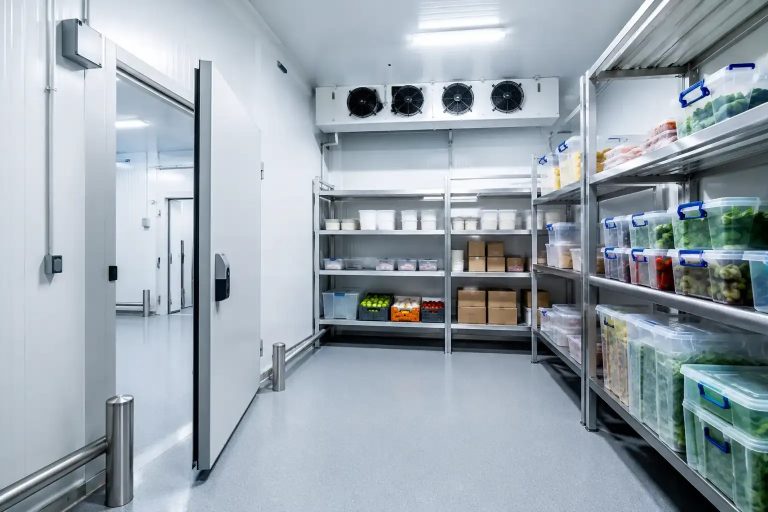
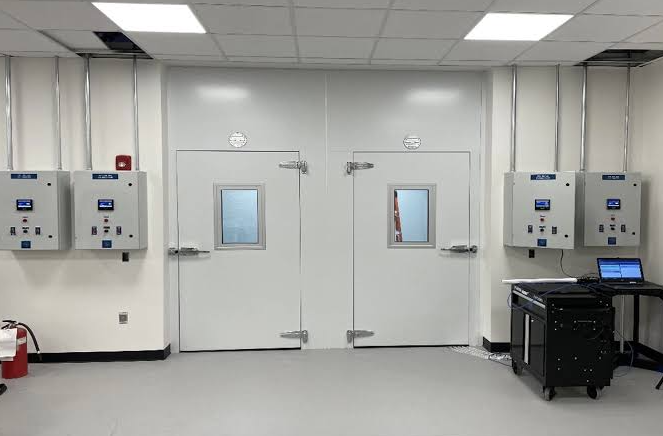
A cold room is designed to keep products at a controlled temperature, but maintaining a stable temperature throughout the day involves more than simply installing a refrigeration system. The room size, insulation, doors, product loading, airflow and operating conditions all affect how well a cold room performs.
This is especially important in Singapore, where refrigeration systems operate in a hot and humid environment throughout the year. For businesses that depend on cold storage, such as food and beverage, restaurants, supermarkets, hotels, logistics companies and food distribution facilities, proper cold room temperature control can help protect products and keep refrigeration systems operating efficiently.
Why Is Cold Room Temperature Control Important?
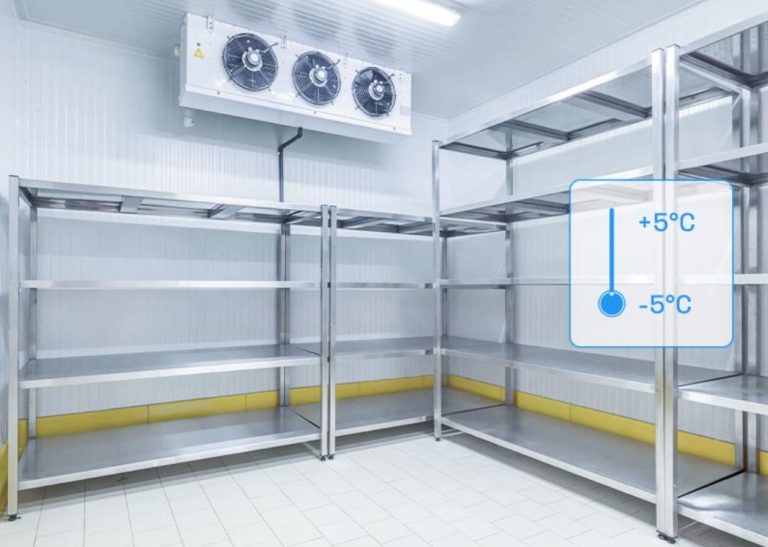
The temperature inside a cold room needs to remain within the appropriate range for the products being stored. Chilled and frozen products have different storage requirements, so the refrigeration system must be designed around the intended application.
For example, the National Environment Agency (NEA) advises keeping chillers between 0°C and 4°C and freezers at -12°C or below for food storage.
A cold room that is consistently warmer than required may affect product quality and storage life. On the other hand, setting the refrigeration system unnecessarily low can increase energy consumption and operating costs.
For this reason, the target temperature should be established according to the products, storage requirements and operating conditions before selecting the cold room refrigeration system.
What Causes Cold Room Temperature Fluctuations?
Temperature fluctuations can happen for several reasons. In many cases, the problem is not caused by the refrigeration unit alone.
- Frequent Door Openings
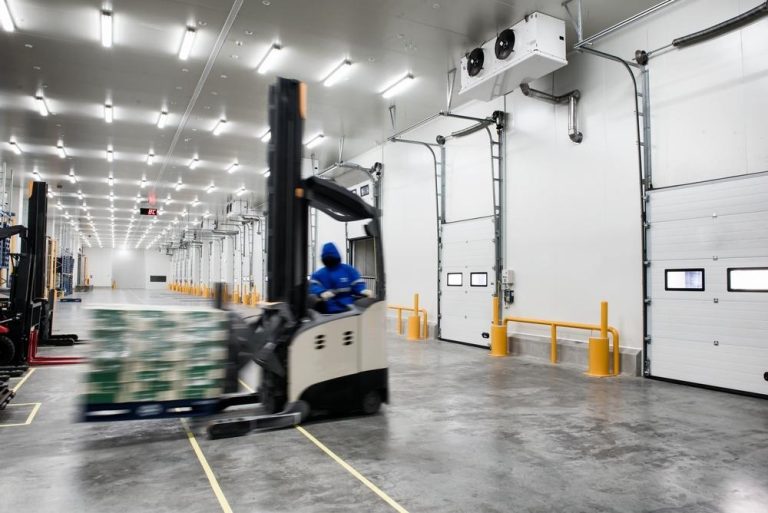
Every time a cold room door is opened, warm and humid air from outside enters the room. Frequent access can therefore increase the cooling load, particularly in busy kitchens, supermarkets, warehouses and food preparation areas.
For cold rooms with high traffic, door design, automatic door closers, strip curtains or other suitable measures may help reduce the amount of warm air entering the room.
- Loading Warm Products
Products placed inside a cold room also contribute to the cooling load. Fresh or warm goods require more cooling than products that have already been chilled.
The difference can be significant in commercial operations where large quantities of products are delivered and placed into storage throughout the day. The refrigeration system needs to be sized according to the actual operating conditions rather than the room dimensions alone.
- Refrigeration System Performance
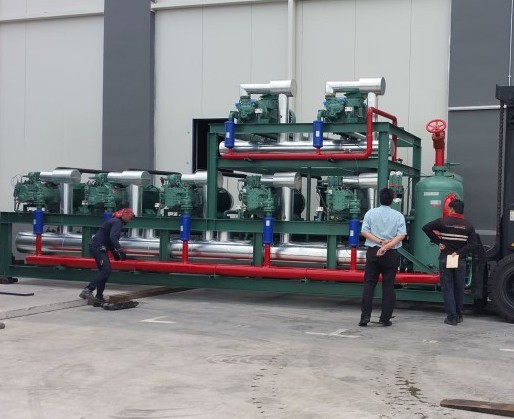
The compressor, evaporator, condenser and controls all have a role in maintaining cold room temperature.
A system that is incorrectly sized may struggle to maintain the required temperature during periods of high demand. Equipment that has not been properly maintained may also lose efficiency over time.
This is why cold room refrigeration should be considered as a complete system rather than looking at the compressor or cooling unit in isolation.
- Airflow Inside the Cold Room
Cold air needs to circulate properly throughout the storage area. Overstocking the room or placing products directly in front of the evaporator can restrict airflow and create areas where the temperature is different from the rest of the room.
Good storage layout is therefore important. Products should be arranged with sufficient space for air circulation, while avoiding unnecessary obstruction around the refrigeration equipment.
How Singapore’s Climate Affects Cold Room Performance
Singapore’s climate presents particular considerations for refrigeration systems. Outdoor temperatures are high throughout the year, while humidity can also be significant.
When warm, humid air enters a cold room, the refrigeration system has to remove both sensible and latent heat. Frequent door opening can therefore place additional demand on the refrigeration system.
The outdoor location of refrigeration equipment is also important. Condensing units exposed to high ambient temperatures may have to work harder to reject heat. Proper equipment selection, ventilation and system design can help maintain reliable operation.
Ventco’s cold-room capacity guidance also highlights Singapore ambient temperature, door openings, product temperature, insulation and equipment location as factors that should be considered when calculating the required cooling capacity.
Cold Room Temperature Monitoring
Temperature control should not stop at setting a temperature on a controller. Regular monitoring can help identify problems before they result in significant product loss.
A suitable cold room temperature monitoring system can provide information on the actual conditions inside the room and alert operators when temperatures move outside the desired range.
For commercial operations, temperature records can also help identify recurring problems. For example, if temperatures rise at particular times of the day, the cause may be related to delivery schedules, frequent door openings or changes in operating activity.
NEA guidance also recommends using a thermometer to check refrigerator or freezer temperatures and monitoring temperatures regularly.
Cold Room Maintenance and Temperature Stability
Regular cold room maintenance is another important part of temperature control.
Maintenance requirements depend on the type of refrigeration system and application, but routine checks can include the refrigeration equipment, evaporator, condenser, temperature controls, door seals and other components.
Dirty condenser coils, restricted airflow, damaged door gaskets or refrigeration faults can all affect system performance. Identifying these issues early can help prevent the refrigeration system from running unnecessarily hard and reduce the risk of unexpected downtime.
For businesses that rely heavily on refrigerated storage, planned maintenance is often preferable to waiting until a cold room stops maintaining temperature.
Designing a Cold Room for Singapore Conditions
Good temperature control starts before the cold room is installed.
A properly designed cold room in Singapore should take into account the type of products being stored, required temperature, room dimensions, product loading, frequency of door opening, insulation, airflow and refrigeration capacity.
The expected operating conditions should also be considered. A cold room used by a restaurant throughout the day will have different requirements from one used for longer-term storage in a warehouse.
For this reason, there is no single refrigeration capacity or cold room design that is suitable for every business.
At Ventco Engineering, cold rooms and refrigeration systems are designed around the specific requirements of each application. The company provides design, supply and installation services for cold rooms, refrigeration systems, chilled water units and wine cellars in Singapore.
Choosing a Cold Room Contractor in Singapore
When planning a new cold room, it is important to look beyond the size and price of the room itself. The refrigeration system, insulation, temperature requirements and intended usage all affect the long-term performance of the installation.
An experienced cold room contractor in Singapore can assess the application and determine the appropriate cooling capacity, equipment configuration and room design.
This is particularly important for businesses with demanding operating schedules or high volumes of refrigerated products. A well-designed cold room can provide more consistent temperature control while helping the refrigeration system operate efficiently.
Cold Room and Refrigeration Solutions in Singapore
Ventco Engineering (S) Pte Ltd has been providing refrigeration engineering solutions in Singapore since 1986. The company specialises in the design, supply and installation of cold rooms, walk-in freezers, commercial refrigeration systems, chillers and wine cellars.
From a small commercial cold room to larger cold storage facilities, the refrigeration system should be matched to the products, operating conditions and available space.
If you are planning a new cold room in Singapore, upgrading an existing refrigeration system or experiencing temperature fluctuations, Ventco Engineering can assess your requirements and recommend a suitable cold room and refrigeration solution.